15 Professional Hair Care Tips for Healthy, Shiny Hair in 2026
# 15 Professional Hair Care Tips for Healthy, Shiny Hair
Beautiful, healthy hair isn't achieved overnight—it comes from consistent care, the right products, and healthy daily habits. Whether your hair is straight, wavy, curly, or color-treated, following a proper hair care routine can help prevent damage, improve shine, and keep your hair looking its best.
Professional hairstylists agree that maintaining healthy hair is about understanding your hair's unique needs rather than following every trend. Here are 15 expert-backed tips to help you build a routine that works.
Why Hair Care Is Important
Your hair is exposed to heat, pollution, UV rays, humidity, and styling products every day. Without proper care, these factors can lead to dryness, split ends, breakage, dullness, and scalp issues. A consistent routine not only keeps your hair healthy but also improves its appearance and makes styling much easier.
1. Choose a Shampoo That Matches Your Hair Type
Using the right shampoo is the foundation of good hair care. A product designed for your specific hair type will cleanse your scalp without stripping away essential moisture.
* Oily Hair: Clarifying or balancing shampoo
* Dry Hair: Moisturizing or hydrating shampoo
* Curly Hair: Sulfate-free moisturizing shampoo
* Color-Treated Hair: Color-safe shampoo
Unless your scalp becomes oily quickly, washing your hair every day is usually unnecessary.
2. Never Skip Conditioner
Conditioner plays an essential role in maintaining healthy hair. It helps replace moisture lost during washing, smooths the hair cuticle, reduces frizz, and protects against breakage.
For the best results, apply conditioner from the mid-lengths to the ends of your hair rather than directly onto the scalp.
3. Minimize Heat Styling
Hair straighteners, curling irons, and blow dryers can weaken the hair shaft when used too frequently.
If you regularly style your hair with heat:
* Always apply a heat protectant.
* Use the lowest effective temperature.
* Allow your hair to air dry whenever possible.
* Avoid passing styling tools over the same section multiple times.
4. Schedule Regular Hair Trims
Regular trims don't make hair grow faster, but they do remove split ends before they travel further up the hair shaft.
Visiting your salon every 6–8 weeks helps keep your hair healthier, stronger, and easier to manage.
5. Nourish Your Hair From Within
Healthy hair starts with a nutritious diet. Hair follicles require vitamins and minerals to grow strong strands.
Include foods rich in:
* Protein
* Iron
* Zinc
* Omega-3 fatty acids
* Biotin
* Vitamins A, C, D, and E
Staying hydrated is equally important, so make sure you're drinking enough water every day.
6. Protect Your Hair From Sun Damage
Just like your skin, your hair can be damaged by prolonged exposure to the sun. UV rays may dry out your hair, weaken its structure, and cause color to fade.
When spending time outdoors, consider wearing a hat, using UV-protectant hair products, or covering your hair with a scarf.
7. Avoid Tight Hairstyles
Frequently wearing tight ponytails, buns, or braids can place unnecessary tension on your hair and scalp. Over time, this may lead to breakage or even traction alopecia.
Choosing looser hairstyles helps reduce stress on your hair while keeping it healthier.
8. Give Your Scalp Some Attention
A healthy scalp provides the ideal environment for healthy hair growth.
Massaging your scalp for five to ten minutes a few times each week can improve circulation and help distribute your scalp's natural oils. Many people also enjoy using nourishing oils such as coconut oil, argan oil, or rosemary oil as part of their routine.
9. Sleep on a Silk or Satin Pillowcase
Cotton pillowcases create friction while you sleep, which can lead to tangles, frizz, and breakage.
Silk or satin pillowcases allow your hair to glide more smoothly, helping preserve your hairstyle and reduce damage—especially for curly, textured, or chemically treated hair.
10. Don't Overwash Your Hair
Overwashing removes the natural oils that keep your scalp and hair moisturized.
As a general guideline:
* Oily hair: Every 1–2 days
* Normal hair: Every 2–3 days
* Dry or curly hair: Every 3–5 days
Your ideal schedule will depend on your lifestyle, climate, and hair type.
11. Limit Chemical Treatments
Frequent bleaching, coloring, rebonding, and chemical straightening can weaken your hair over time.
If you regularly color or chemically treat your hair, speak with your stylist about treatments that restore moisture and strengthen damaged strands between appointments.
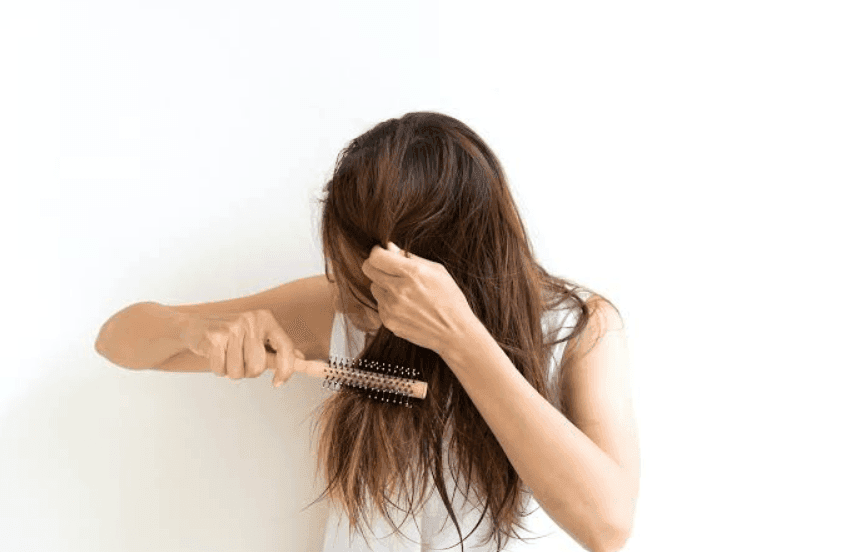
12. Use the Right Hairbrush
Different hair types benefit from different brushes.
Wide-tooth combs are ideal for detangling wet hair, while paddle brushes work well for everyday styling. Curly hair is often best detangled with a wide-tooth comb while it's damp.
13. Deep Condition Regularly
Adding a deep conditioning treatment to your routine once a week helps restore moisture, improve elasticity, and reduce dryness.
Professional deep conditioning treatments at a salon can provide even longer-lasting results for damaged hair.
14. Take Care of Your Scalp
Healthy hair begins with a healthy scalp.
If you experience persistent dandruff, itchiness, excessive oiliness, or irritation, consult a professional hairstylist or dermatologist to identify the cause and choose suitable treatments.
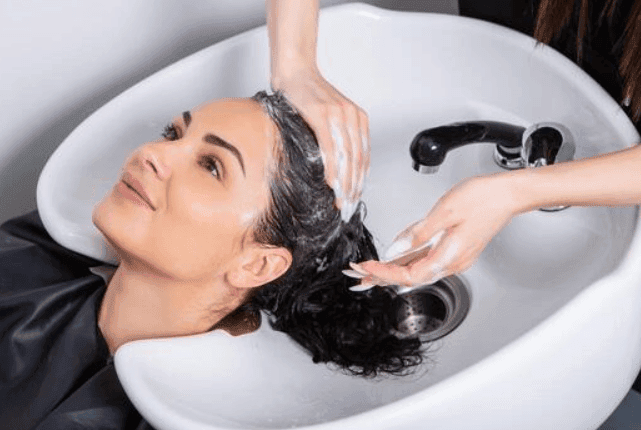
15. Visit a Professional Salon
Home care is important, but professional treatments can significantly improve your hair's condition.
Popular salon services include:
* Deep conditioning treatments
* Hair spa treatments
* Keratin smoothing treatments
* Protein treatments
* Scalp therapy
An experienced hairstylist can recommend treatments tailored to your specific hair type and concerns.
Common Hair Care Mistakes to Avoid
Even with good intentions, many people unknowingly damage their hair by:
* Washing with very hot water
* Brushing wet hair aggressively
* Skipping conditioner
* Excessive bleaching or coloring
* Using heat tools without protection
* Ignoring scalp health
* Using products that aren't suitable for their hair type
Avoiding these habits can make a noticeable difference over time.
Final Thoughts
Healthy, beautiful hair isn't the result of expensive products alone—it's built through consistent care, smart habits, and professional guidance when needed.
By following these expert tips and maintaining a routine that suits your hair type, you'll enjoy stronger, shinier, and healthier hair throughout the year.
If you're looking for trusted hairstylists and beauty professionals, GetSalons makes it easy to discover verified salons, compare services, read genuine customer reviews, and book appointments online—all in one place.